Hair Growth Science Hub
Red Light Therapy for Hair Growth: The Science Explained
Takeaway: Red light therapy is a non invasive approach studied for supporting hair follicle function through specific wavelengths and controlled energy delivery.
Red light therapy, also called low level light therapy, uses targeted wavelengths of light to interact with scalp tissue and hair follicles.
Clinical research has explored its potential role in supporting hair density and slowing progression of androgenetic alopecia.
Understanding wavelength, irradiance, total energy delivered, and treatment duration is essential before evaluating any device.
Does red light therapy regrow hair?
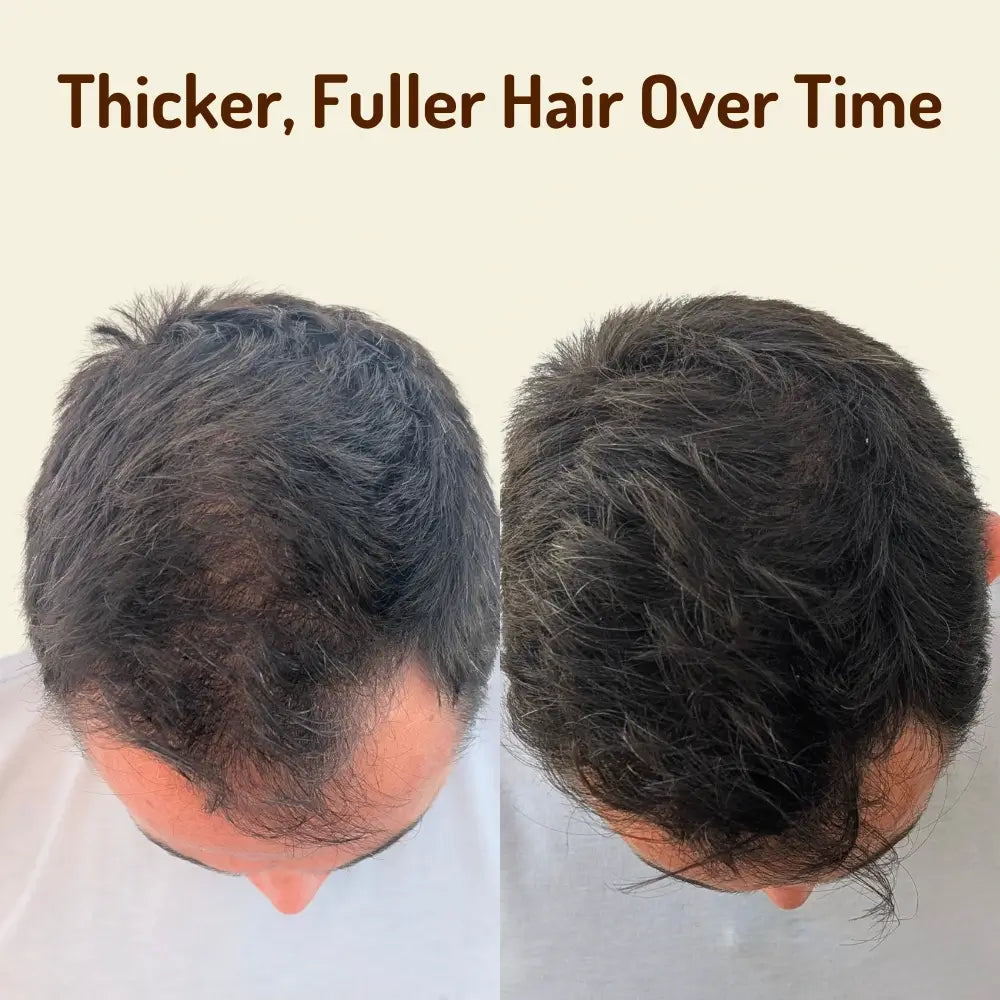
Takeaway: Clinical studies show that red light therapy can improve measurable hair density and increase measurable hair counts in people with pattern hair loss when used consistently over several months. It is best understood as a supportive treatment rather than a guaranteed cure.
Randomized controlled trials and systematic reviews show that low level light therapy can stimulate hair follicles and improve density compared with sham devices under studied protocols. Results vary by individual and depend on consistent use over time. This approach is most relevant for androgenetic alopecia, meaning male or female pattern hair loss.
For a full evidence-based breakdown of clinical studies, mechanisms, and realistic expectations, read our detailed analysis on whether red light therapy regrows hair.
What Is Low Level Light Therapy (LLLT)?
Takeaway: LLLT uses specific red light wavelengths to stimulate cellular activity within the scalp.
Low level light therapy applies red or near infrared light at controlled intensities to influence biological processes within cells.
For hair research, wavelengths commonly fall between 630 nm and 660 nm. Some systems also include near infrared light above 800 nm.
The proposed mechanism involves mitochondrial stimulation and increased cellular energy production, which may help support follicles during the active growth phase.
For a detailed breakdown of cellular mechanisms and clinical context, read our full Low Level Light Therapy Analysis.
What Is the Minimum Irradiance Needed for Hair Growth?
Takeaway: There is no single universally accepted minimum irradiance value. Effective dosing depends on how irradiance is measured, how long treatment is applied, and how total energy delivery is calculated.
Irradiance refers to the power density of light reaching the scalp and helps determine how much energy is delivered during a treatment. Published clinical research reports different irradiance ranges depending on device design and measurement conditions. Because total energy delivered depends on both irradiance and treatment time, evaluating devices based on a single power number alone can be misleading.
For a detailed technical explanation of irradiance, dose, and how to interpret device claims, read our full Minimum Irradiance Analysis.
What Wavelength Works Best?
Takeaway: Most hair studies focus on red light wavelengths between 630 nm and 660 nm.
These wavelengths are believed to penetrate scalp tissue sufficiently to reach hair follicles while interacting with cellular components involved in energy production.
Some devices incorporate near infrared wavelengths, which penetrate deeper into tissue but are studied less extensively for scalp specific outcomes.
Wavelength should be considered alongside irradiance and treatment duration rather than evaluated in isolation.
For a full comparison of wavelengths and tissue penetration characteristics, read our detailed wavelength guide.
How Long Does It Take to See Results?
Takeaway: Visible changes typically require consistent use over several months.
Hair growth follows a biological cycle with distinct growth and resting phases.
Clinical studies often report measurable changes in hair density after 12 to 24 weeks of regular treatment.
Individual outcomes vary depending on age, baseline hair thinning, and consistency of use. Red light therapy is generally studied as a long term supportive approach rather than a rapid intervention.
For a deeper look at treatment timelines and study durations, read our detailed results timeline analysis.
Is Red Light Therapy Safe for the Scalp?
Takeaway: Devices designed within therapeutic ranges are generally well tolerated in clinical studies.
Low level light therapy systems for hair growth are typically classified as low risk when used according to manufacturer guidelines.
Reported side effects are usually mild and may include temporary scalp sensitivity.
Individuals with photosensitivity conditions or specific medical concerns should consult a qualified professional before use.
For a full review of safety data, contraindications, and study findings, read our detailed safety analysis.
LED vs Laser Diodes for Hair Growth
Takeaway: Both LEDs and laser diodes can deliver therapeutic wavelengths when engineered correctly.
Laser diodes emit coherent, focused light, while LEDs emit non coherent light across a broader spread.
Clinical evidence suggests overall effectiveness depends more on wavelength, irradiance, and total energy delivered than on diode type alone.
Device design, energy distribution, and consistency of exposure are key considerations when comparing systems.
For a technical comparison of LEDs and laser diodes, read our in depth diode comparison guide.


RootRevival Crown - The red light therapy cap built for men noticing early crown thinning.
RootRevival Crown - The red light therapy cap built for men noticing early crown thinning.
Couldn't load pickup availability