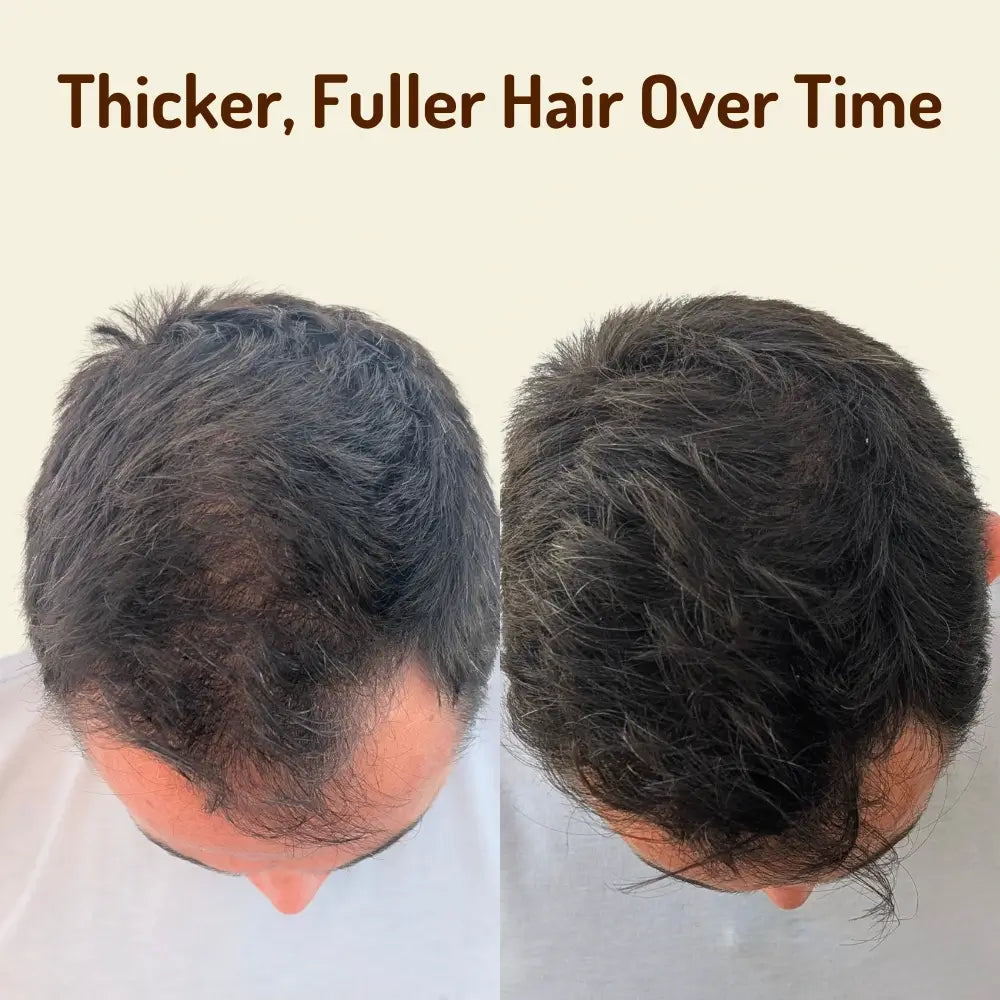
What Is Low Level Light Therapy (LLLT) and How Does It Stimulate Hair Growth?
Low level light therapy, often abbreviated as LLLT, is a non invasive treatment that uses specific red light wavelengths to stimulate biological activity within scalp tissue. Clinical studies suggest that when delivered at appropriate wavelengths and energy levels, LLLT may support hair density in individuals with androgenetic alopecia by influencing cellular energy production and prolonging the active growth phase of hair follicles.
What Is Low Level Light Therapy (LLLT)?
Low level light therapy uses visible red light, typically in the 630 to 660 nanometre range, delivered at controlled intensities that do not generate significant heat. Unlike surgical lasers, LLLT operates at low power densities designed to influence cellular function rather than damage tissue.
In hair research, helmet and cap based devices have been evaluated in randomized controlled trials involving individuals with androgenetic alopecia (1).
Clinical investigations have demonstrated measurable improvements in terminal hair counts when therapeutic wavelengths are delivered consistently over several months (2).
How Does LLLT Affect Hair Follicles?
The proposed mechanism behind LLLT involves mitochondrial stimulation. Red light within specific wavelength ranges interacts with cytochrome c oxidase in the mitochondrial respiratory chain, potentially increasing ATP production and influencing cellular signalling pathways.
Laboratory research suggests that red light exposure may promote follicular cell proliferation and delay transition from the active growth phase to the regression phase (3).
This biological mechanism forms the theoretical basis for clinical improvements observed in human trials.
What Does Clinical Research Show?
Multiple randomized, double blind, sham controlled trials have investigated LLLT for androgenetic alopecia. Several studies report statistically significant increases in hair density after 16 to 24 weeks of consistent use (1,4).
A 24 week sham controlled study evaluating LLLT in men and women demonstrated measurable improvement in hair counts compared to placebo (4).
Meta analyses reviewing FDA cleared devices across multiple trials have concluded that LLLT produces statistically significant increases in hair density compared with sham treatment (5).
While results are promising, outcomes vary depending on baseline hair condition, treatment consistency, and device specifications.
Who May Benefit From LLLT?
LLLT is most commonly studied in individuals with early to moderate androgenetic alopecia. Both men and women have been included in clinical trials.
Hair follicles that are miniaturized but still biologically active are more likely to respond. In cases where follicles have been dormant for extended periods, response may be limited.
Consistency is a key factor. Most research protocols involve several sessions per week over multiple months.
What Are the Limitations?
LLLT does not permanently reverse genetic hair loss. It is generally considered a maintenance or supportive approach.
Limitations include:
• Requirement for ongoing, consistent use
• Variable response between individuals
• Limited effect in advanced follicle loss
• Dependence on correct wavelength and dose
Device specifications matter. Marketing claims alone do not determine effectiveness. Wavelength, irradiance, and total energy delivered per session are critical variables.
Is Low Level Light Therapy Safe?
Clinical trials evaluating LLLT devices report a favourable safety profile, with adverse effects typically limited to mild and temporary scalp sensitivity (4).
Because therapeutic devices operate at low power densities and do not generate destructive heat, they are classified as low risk when used as directed.
In the United States, certain devices have received FDA clearance for treatment of hair loss, indicating regulatory review for safety and intended use.
Key Variables That Influence Effectiveness
Not all red light devices are equivalent. Outcomes depend on several measurable factors:
Wavelength
Most hair growth research focuses on red light between 630 and 660 nanometres.
Irradiance
The power delivered per square centimetre must fall within a therapeutic window.
Energy Per Session
Total joules delivered influence biological response.
Treatment Duration
Consistency over several months is required to observe measurable changes.
Understanding these variables is essential when evaluating any red light therapy cap or helmet. For a technical analysis of therapeutic dose ranges, see our detailed guide on irradiance and energy density.
Practical Considerations When Choosing a Device
When assessing a red light therapy cap, consider:
• Published wavelength range
• Transparency around power output
• Treatment time recommendations
• Engineering consistency across the scalp
Luwnah red light therapy caps are designed within clinically studied wavelength ranges and engineered to deliver controlled energy distribution across the scalp. As additional models are introduced, technical specifications remain grounded in research based parameters rather than marketing driven claims.
Frequently Asked Questions About Low Level Light Therapy for Hair Growth
Does low level light therapy regrow hair?
Low level light therapy may support increased hair density in individuals with androgenetic alopecia when used consistently within clinically studied parameters. It is generally considered a supportive treatment that helps maintain and potentially improve follicle activity rather than permanently reversing genetic hair loss. Individual results vary depending on baseline hair condition and treatment consistency.
How long does it take to see results from LLLT?
Most clinical studies report measurable improvements after 12 to 24 weeks of consistent use. Hair growth follows a biological cycle, so visible changes require time and regular treatment sessions. Early discontinuation may limit observable results.
Is low level light therapy FDA approved for hair loss?
Certain red light therapy devices have received FDA clearance for the treatment of hair loss. FDA clearance indicates that a device is considered substantially equivalent in safety and intended use to previously cleared devices. It does not imply guaranteed regrowth or universal effectiveness.
Can women use low level light therapy for thinning hair?
Yes. Clinical trials have included both men and women with androgenetic alopecia. Evidence suggests that women with early to moderate thinning may also experience improvements in hair density when treatment is used consistently.
Are there side effects associated with LLLT?
Low level light therapy is generally well tolerated in clinical studies. Reported side effects are typically mild and may include temporary scalp sensitivity. Devices operating within therapeutic ranges do not produce the high heat associated with surgical lasers.
Is more power better in red light therapy devices?
Not necessarily. Light therapy follows a biphasic dose response, meaning that both insufficient and excessive energy delivery may reduce effectiveness. Therapeutic outcomes depend on appropriate wavelength, irradiance, and total energy delivered rather than maximum power output alone.
References
(1) Jimenez JJ et al. The Growth of Human Scalp Hair Mediated by Visible Red Light Laser and LED Sources in Males with Androgenetic Alopecia. Lasers in Surgery and Medicine. 2014. PubMed 24078483.
(2) Lanzafame RJ et al. The Growth of Human Scalp Hair in Females Using Visible Red Light Laser and LED Sources. Lasers in Surgery and Medicine. 2014. PubMed 25124964.
(3) Study on 650 nm Red Light Promoting Hair Growth. PMC8577899.
(4) Suchonwanit P et al. Low Level Laser Therapy for Androgenetic Alopecia: A 24 Week Randomized Sham Controlled Trial. PubMed 30569416.
(5) Meta Analysis of Low Level Light Therapy for Pattern Hair Loss. PubMed 34980962.


RootRevival Crown - The red light therapy cap built for men noticing early crown thinning.
RootRevival Crown - The red light therapy cap built for men noticing early crown thinning.
Couldn't load pickup availability